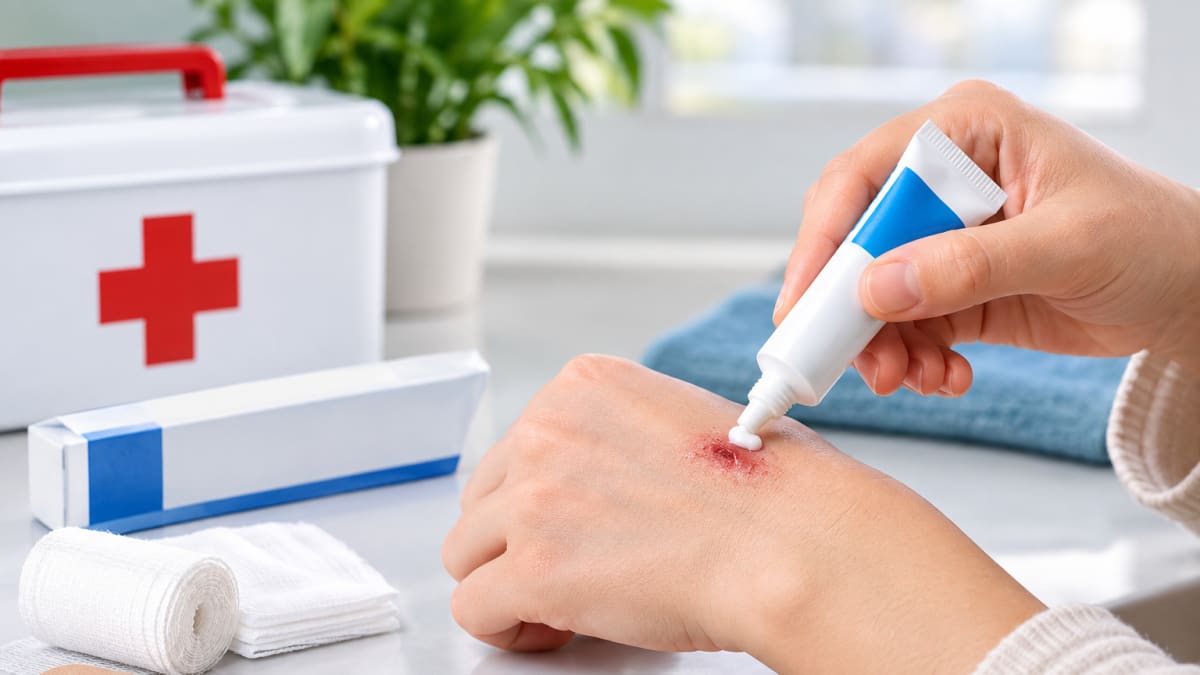
When you cut your finger, scrape your knee, or develop a small infected-looking spot on your skin, your instinct is often to reach for an antibiotic ointment without a prescription. In many countries, including the US and parts of Europe, several effective topical antibiotics are available "over-the-counter" (OTC) at pharmacies and supermarkets. These products can be life-savers for preventing infection in minor wounds.
However, not all skin infections can be treated at home, and misuse of these products can lead to antibiotic resistance or allergic reactions. This guide explains which antibiotic ointments you can buy legally without seeing a doctor, how to use them correctly, and exactly when you should stop self-treating and seek professional medical advice.
Reviewed by: DoctorCare Medical Team
Last Updated: September 2026
Can You Really Get Antibiotic Ointment Without a Prescription?
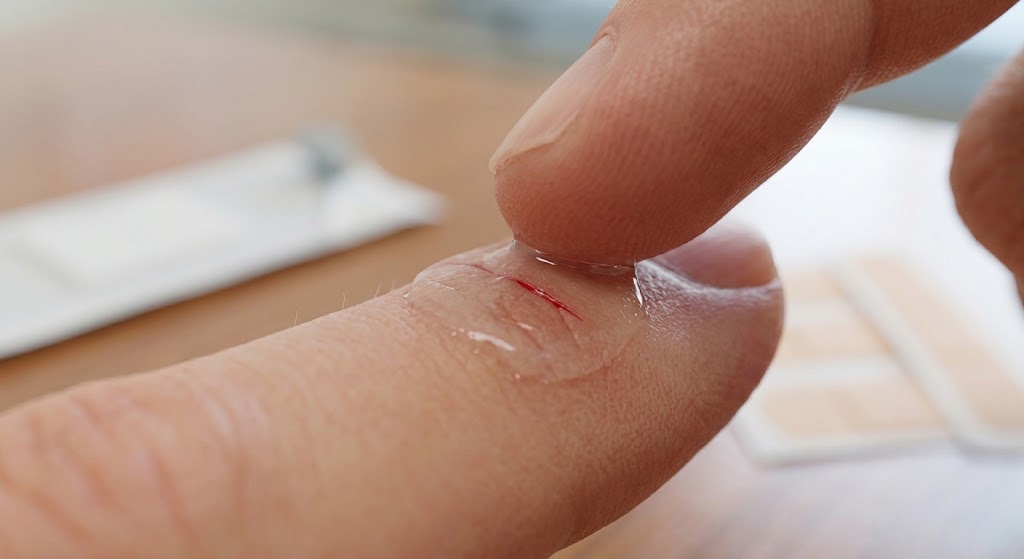
Yes. In most regions, you can purchase topical antibiotics for minor skin injuries without needing a prescription from a doctor. These are classified as "Over-The-Counter" (OTC) medicines because they contain lower concentrations of active ingredients and have a low risk of severe side effects when used correctly on small areas.
These OTC options are intended strictly for:
- Minor cuts and scrapes.
- Small burns (first-degree).
- Minor scratches that are at risk of bacterial contamination.
Important Distinction: While you can buy topical antibiotic creams (like Neosporin or Bacitracin) without a prescription, oral antibiotics (pills) always require a prescription. Furthermore, certain stronger topical antibiotics or those containing specific steroidal combinations are prescription-only and cannot be bought at the regular pharmacy counter.
If you are unsure whether your wound requires more than OTC care, a quick assessment via an online GP appointment can save you time and prevent complications.
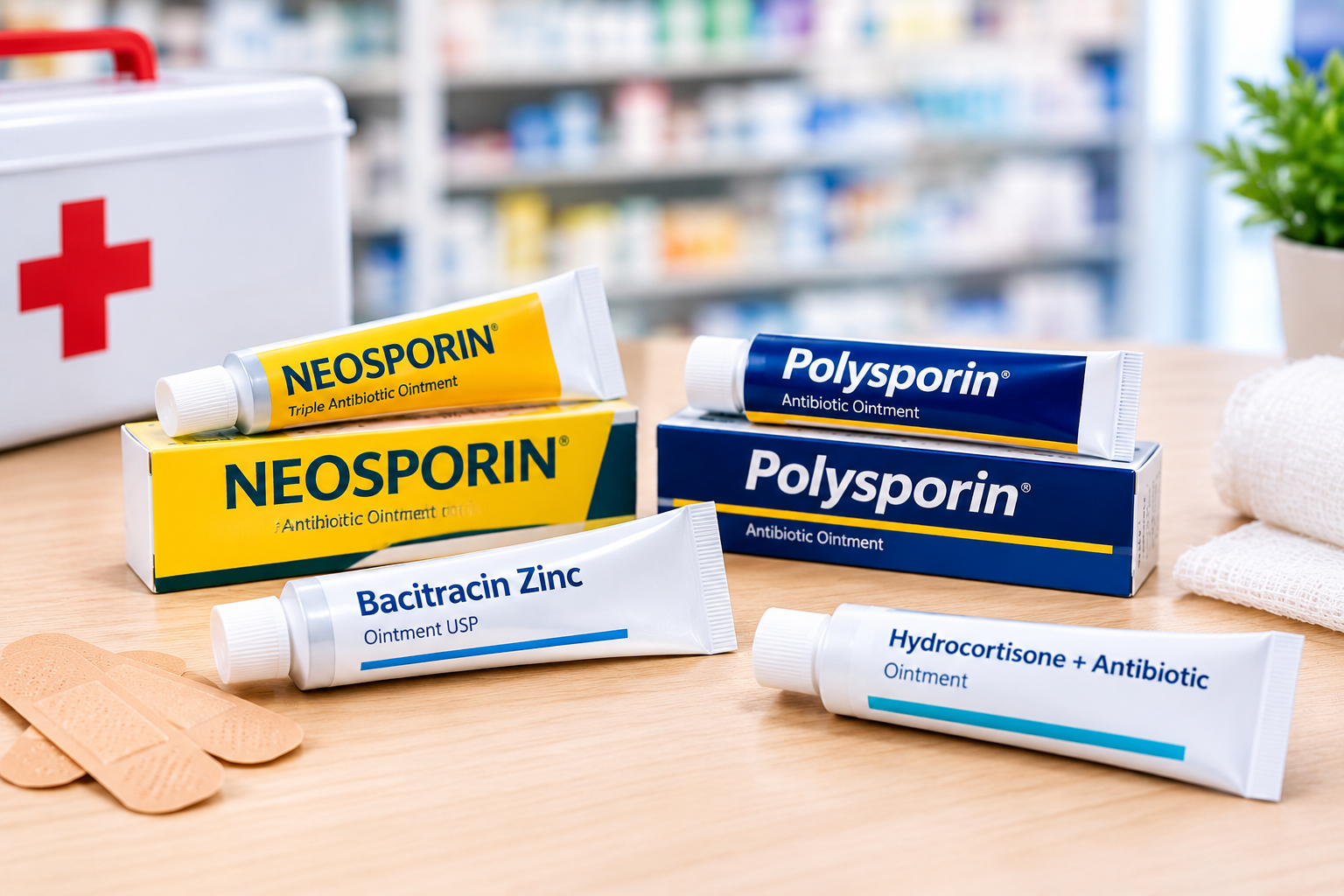
Common Over-the-Counter (OTC) Antibiotic Creams
The shelves of any standard pharmacy will usually feature a few key brands. While brand names vary by country, the active ingredients are generally consistent.
Neosporin (Triple Antibiotic Ointment)
This is perhaps the most famous OTC option. It typically contains a combination of three antibiotics:
- Bacitracin
- Neomycin
- Polymyxin B
This triple-action formula targets a broad spectrum of bacteria, making it effective for general minor wounds. However, neomycin is the most common cause of allergic contact dermatitis (skin allergy), so if your skin gets redder or itchier after application, discontinue use immediately.
Polysporin
Often preferred by people who suspect they might be allergic to neomycin. It usually contains only two antibiotics:
- Bacitracin
- Polymyxin B
It is slightly less potent against gram-positive bacteria compared to Neosporin but has a lower risk of causing an allergic reaction.
Bacitracin Zinc
A single-ingredient ointment that is very effective against Staphylococcus aureus (Staph) bacteria. It is often found in smaller tubes or as part of bandage strips. Like Polysporin, it avoids the neomycin allergen.
Hydrocortisone-Antibiotic Combos
Be careful here! Some OTC products mix an antibiotic with a steroid (hydrocortisone). While useful for itchy, inflamed bug bites, using steroids on an open, raw wound can actually delay healing or worsen an infection. Only use these if the product label explicitly states it is safe for the type of wound you have.
How to Use Topical Antibiotics Correctly
Just because a product is available without a prescription doesn't mean it's "free for all." To ensure safety and effectiveness, follow these steps:
- Clean the Wound First: Never apply antibiotic ointment to a dirty wound. Wash the area gently with mild soap and water. Rinse thoroughly to remove dirt and debris. Pat dry with a clean cloth.
- Apply a Thin Layer: You do not need to slather the ointment on thick. A thin layer that just covers the wound is sufficient. Applying too much can trap moisture and create a breeding ground for bacteria rather than stopping it.
- Cover if Necessary: For areas that rub against clothing or are likely to get dirty, cover the wound with a sterile bandage. Change the bandage daily or whenever it becomes wet or dirty.
- Duration of Use: Use the ointment for no more than 5 to 7 days. If the wound hasn't improved or healed within this timeframe, stop using it and consult a doctor. Long-term use increases the risk of fungal infections and antibiotic resistance.
- Avoid Sensitive Areas: Do not apply antibiotic ointment inside the nose, eyes, mouth, or on deep puncture wounds unless directed by a physician.
The Dangers of Overuse: Antibiotic Resistance & Allergies
While OTC antibiotic ointments are generally safe, there are significant risks associated with their casual or excessive use.
Allergic Contact Dermatitis
Paradoxically, the "cure" can sometimes look like the "disease." If you develop redness, itching, swelling, or a rash around the wound (rather than inside it) after applying ointment, you may be having an allergic reaction to one of the ingredients (often neomycin). Continuing to use it will make the irritation worse. Switch to plain petroleum jelly (Vaseline) or Polysporin if this happens.
Antibiotic Resistance
Bacteria are intelligent. If you expose them to antibiotics constantly—even on the surface of the skin—they can evolve to survive them. This leads to multidrug-resistant bacteria (like MRSA) that are much harder to kill later if you get a serious infection. Using these ointments only when necessary helps preserve their effectiveness for everyone.
Delaying Proper Care
Relying on OTC cream for a serious infection (like cellulitis) gives you a false sense of security. The surface might look better while the infection spreads deeper into the tissue, potentially leading to sepsis.
When OTC Ointments Aren't Enough (Red Flags)
There are clear situations where an antibiotic ointment without a prescription is insufficient and dangerous to rely on. Seek immediate medical attention if you notice:
- Deep Wounds: Cuts that gape open, go deeper than the skin surface, or won't stop bleeding.
- Signs of Spreading Infection: Red streaks moving away from the wound, increasing warmth, or a fever/chills.
- Pus: Thick yellow or green discharge.
- Severe Pain: Pain that increases rather than decreases after 48 hours.
- Animal or Human Bites: These carry high-risk bacteria that almost always require oral prescription antibiotics.
- Tetanus Risk: If the wound was caused by a rusty object or soil-contaminated debris and your tetanus shot is not up to date.
If you experience any of these symptoms, do not wait. Book an appointment with a general practitioner online or visit a local urgent care center. Our guide on urgent care centers near me in Spain can help you locate immediate assistance.
Natural Alternatives for Minor Cuts
Many modern studies suggest that for simple, clean cuts, keeping the wound moist is the most important factor in healing, not necessarily adding antibiotics.
- Petroleum Jelly (Vaseline): This creates a moisture barrier that prevents scabs (which slow healing) and keeps bacteria out. It is hypoallergenic and extremely effective for minor scrapes.
- Honey (Medical Grade): Raw honey has natural antimicrobial properties, though it must be kept covered and changed frequently.
- Aloe Vera: Good for soothing minor burns and sunburns, though not a primary treatment for open cuts.
For most minor household cuts, a clean wash followed by petroleum jelly and a bandage is often enough. Save the antibiotic ointment for wounds with a higher risk of infection.
Treating Skin Infections vs. Deep Wounds
It is crucial to distinguish between a superficial cut and a deeper skin infection.
- Superficial Cuts/Scrapes: Ideal for OTC antibiotic ointment.
- Folliculitis: Inflamed hair follicles that look like acne. Often needs specific topical treatments, not just generic ointment.
- Cellulitis: A deep skin infection involving fat and connective tissue. This causes spreading redness and warmth. Oral or IV antibiotics are required. You cannot treat this with an OTC tube.
- Abscesses: Boils filled with pus. These usually need to be drained by a doctor before antibiotics are even given.
If you are unsure about the depth or severity of your skin issue, an online dermatologist can review photos of the wound and tell you if it requires professional intervention or a prescription-strength medication.
Frequently Asked Questions (FAQs)
Can I use leftover antibiotic ointment from an old prescription?
No. Old antibiotic ointments may:
- Be expired (less effective or unsafe)
- Contain bacteria if not stored properly
- Contribute to antibiotic resistance
Always use a fresh prescription for new infections.
What’s the best OTC ointment for preventing infection?
For minor cuts and scrapes, Betadine (povidone-iodine) or Hibiscrub (chlorhexidine) are the most effective OTC antiseptics. Apply 1–2 times daily after cleaning the wound.
Can I use honey or tea tree oil instead of antibiotics?
Manuka honey (medical-grade) and tea tree oil have mild antibacterial properties, but they’re not as strong as prescription antibiotics. They can help with minor wounds but won’t treat a serious infection.
Is Neosporin available without a prescription in Europe?
No. In most European countries (including Spain, France, Germany, and the UK), Neosporin and similar antibiotic ointments require a prescription.
What if I can’t afford a doctor’s visit?
If cost is a concern:
- Check if your insurance covers telehealth (many do!)
- Look for public health clinics in your area
- Some universities with medical schools offer low-cost consultations
- Non-profits may provide free or sliding-scale care
Can I get a prescription for antibiotic ointment online without a video call?
Most reputable platforms require a video or phone consultation to assess your wound properly. Avoid services that guarantee prescriptions without a doctor’s evaluation—this is unsafe and often illegal.
How long does it take to get a prescription online?
With DoctorCareOnline, you can often:
- Book an appointment within 1–2 hours
- Get a prescription the same day
- Pick up medication from a pharmacy within 24 hours
What if my wound gets worse after using OTC ointment?
Stop using the ointment and see a doctor immediately. Signs of worsening infection include:
- Increased redness, swelling, or pain
- Pus or foul odor
- Fever or chills
- Red streaks spreading from the wound
Conclusion and Next Steps
Accessing an antibiotic ointment without a prescription is easy and often appropriate for everyday minor injuries. Products like Neosporin, Polysporin, and Bacitracin are valuable tools for preventing infection in small cuts and scrapes. However, they are not a cure-all. Misuse can lead to allergies and antibiotic resistance, and relying on them for serious infections can be dangerous.
Always remember:
- Clean the wound before applying.
- Use sparingly and for short durations.
- Watch for allergic reactions.
- Stop and see a doctor if the wound deepens, spreads, or shows signs of severe infection.
Your health is precious. If you have doubts about your wound or need a prescription for something stronger, don't hesitate to get professional advice quickly. Book a Talk to a Doctor Online session today to ensure you are taking the right steps for your recovery.
Reviewed by: DoctorCare Medical Team
Last Updated: September 2026
DoctorCareOnline provides online consultations for non-emergency healthcare needs. This article is for informational purposes only and does not constitute medical advice, diagnosis, or treatment. Always consult a qualified healthcare professional regarding any medical condition. For emergencies, call 112 or use local emergency services immediately.