
Waking up with an acute illness—such as a fever, severe migraine, or gastroenteritis—can make traveling across town to sit in a crowded doctor's waiting room exhausting and counterproductive to recovery. In Germany, strict employment regulations require formal medical proof when you are incapacitated for work. Navigating this requirement while unwell, particularly if you face language barriers or cannot secure a same-day local appointment, has led many residents to look for an online doctor in Germany as a practical alternative.
German statutory healthcare reforms have firmly integrated digital health services into standard clinical practice. Understanding how to get an online sick note in Germany requires knowing which regulations govern medical leave, how electronic certificates operate, and when remote evaluation is medically appropriate.
What Is a German Sick Note (Arbeitsunfähigkeitsbescheinigung)?
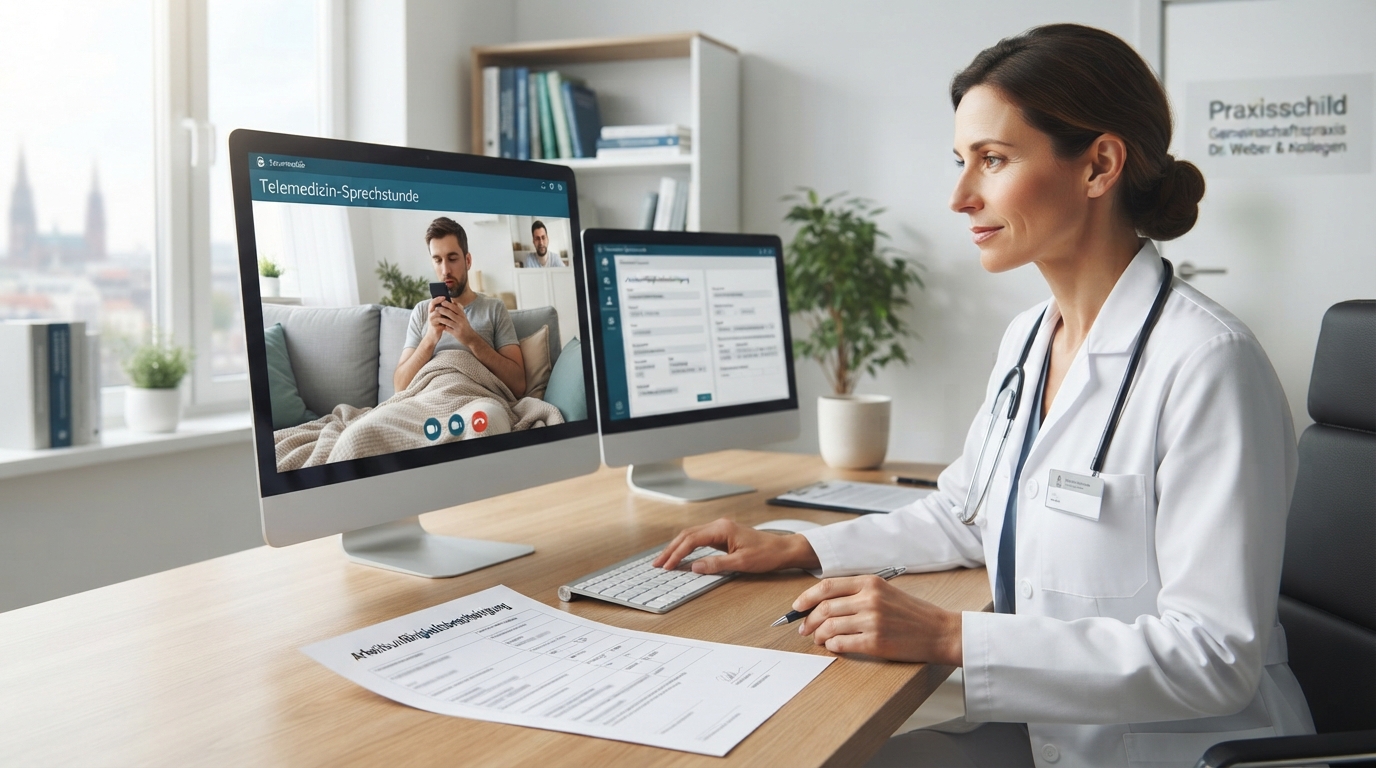
In Germany, a formal medical sick leave certificate is known as an Arbeitsunfähigkeitsbescheinigung (AU-Bescheinigung) or colloquially as a Krankschreibung. This official document is issued by a licensed physician to verify that an individual is temporarily unable to carry out their occupational duties due to illness or injury.
An AU-Bescheinigung serves three main functions:
Medical Assessment: Confirms functional incapacity for your specific role rather than solely naming an illness.
Employer Notification: Excuses absence and protects employee rights under the Continued Remuneration Act (Entgeltfortzahlungsgesetz).
Statutory Health Record: Securely records medical data for statutory insurance documentation.
Under German labor law, employees are generally eligible for up to six weeks of continued salary payment from their employer for the same illness, provided statutory guidelines and reporting deadlines are respected.
When Are You Legally Required to Submit a Sick Note in Germany?
German labor regulations establish clear minimum requirements for reporting an absence, though individual employment contracts can enforce stricter timelines:
Immediate Notification (Krankmeldung): You must notify your employer as early as possible on the first morning of illness, prior to your scheduled shift. You must inform them that you are unfit for work and provide an estimated duration, but you are not legally required to disclose your specific medical diagnosis.
The "Day 4" Statutory Baseline: By federal law, if your illness lasts longer than three consecutive calendar days (including non-working days and weekends), an AU-Bescheinigung must be presented on the fourth day.
Contractual Exceptions (Day 1 Requirements): Employers possess the legal prerogative to require a medical certificate from the very first day of illness (ab dem ersten Tag). Always check your individual employment contract to confirm your workplace policy.
Failure to present a valid certificate within the designated timeframe can result in formal employment warnings (Abmahnung) or issues regarding continued salary payments.

How Does the Electronic Sick Leave Certificate (eAU) Work?
Historically, patients received a multi-part paper certificate printed on yellow paper (gelber Schein), which required manual submission to both the employer and statutory health insurance fund (Krankenkasse).
Germany has transitioned fully to the electronic Certificate of Incapacity (elektronische Arbeitsunfähigkeitsbescheinigung or eAU) for individuals covered by statutory health insurance. You can review our detailed breakdown on e-rezept and digital sick notes in Germany to understand how electronic health infrastructure works.
Under the eAU framework:
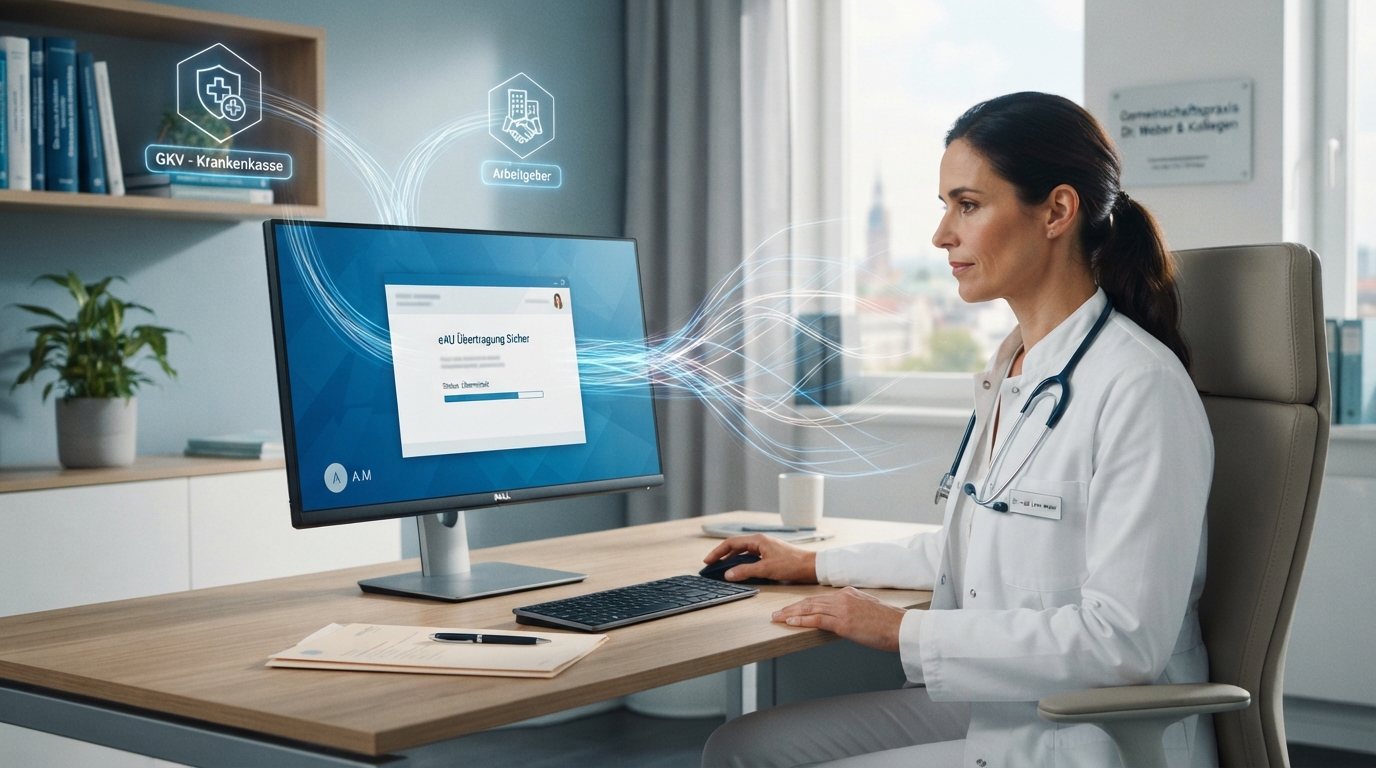
The licensed physician securely uploads the encrypted certificate directly to the central health telematics infrastructure (Telematikinfrastruktur).
The patient's statutory health insurance provider processes the record.
The employer digitally queries and retrieves the confirmation of incapacity from the health fund.
The employer's digital record contains only administrative details—such as the duration of incapacity and whether it represents an initial or extension note. Your ICD-10 diagnostic code, medical findings, and clinical notes are never shared with your employer.
If you consult a private medical service or hold private insurance, you receive a legally compliant digital certificate directly, which you provide to your company's HR department according to internal procedures.
Is an Online Sick Note Legally Valid in Germany?
Yes, provided the assessment is conducted by a fully licensed medical doctor adhering to established telemedical standards and professional codes of conduct (Berufsordnung für Ärzte). Read more about legal validity in our guide to krankschreibung online in Germany.
The German Federal Joint Committee (Gemeinsamer Bundesausschuss or G-BA) and state medical chambers permit licensed physicians to diagnose common, self-limiting illnesses and issue temporary medical leave via remote consultations.
FeatureCompliant Telemedicine PlatformAutomated "Questionnaire-Only" SitesDoctor EvaluationDirect interaction with a licensed doctorNo direct doctor review; automated scriptClinical AssessmentComprehensive review of current symptomsGeneric checkboxes without verificationLegal Evidentiary ValueHigh; standard legal proof (Beweiswert)Vulnerable to formal employer challengeSafety ScopeLimited to medically safe timeframesUnregulated, indefinite claimsImportant Precaution: Certificates generated purely via multiple-choice web questionnaires without direct clinical interaction do not meet statutory medical standards. German labor courts have repeatedly upheld an employer's right to reject certificates issued without real clinical evaluation.
Step-by-Step: How to Get an Online Sick Note in Germany
Patients seeking medical care remotely through a structured telemedicine platform such as DoctorCareOnline can complete the process through several straightforward steps:
Select Your Clinical Pathway: Access a verified healthcare platform. If you require medical leave for acute symptoms, navigate directly to an online sick note consultation or an online GP consultation page.
Complete the Medical Intake: Provide details regarding your symptoms, onset, temperature, current medications, and known medical history. This enables the physician to prepare for a targeted consultation.
Undergo Direct Clinical Evaluation: Connect with a qualified medical professional via secure telehealth link. The doctor reviews your condition, asks clarifying diagnostic questions, and ensures remote care is clinically appropriate.
Receive Documentation and Treatment Plan: If the physician confirms incapacity for work, they issue an official online sick note and medical certificate indicating the duration of leave. You will also receive clinical guidance for recovery and alerts regarding red-flag symptoms.
Notify Your Employer: Forward the formal documentation to your workplace human resources or payroll team according to your company's standard absence policy.
Eligible Conditions: What Can and Cannot Be Certified Online?
Telemedicine is suitable for acute, self-limiting ailments, but patient safety rules prohibit remote certification for complex or critical conditions.
Conditions Commonly Suitable for Remote Evaluation
Mild to moderate viral respiratory infections (common cold, mild viral pharyngitis)
Uncomplicated acute seasonal allergies
Acute gastrointestinal upset (mild gastroenteritis, food intolerance) without severe dehydration
Mild tension headaches or familiar migraine episodes
Localized superficial skin rashes with clear history
Conditions Requiring In-Person or Emergency Medical Care
High, persistent fever unresponsive to antipyretics or paired with confusion
Severe shortness of breath, acute chest pain, or radiating chest discomfort
Sudden neurological symptoms (slurred speech, facial droop, visual field loss)
Unexplained acute abdominal pain localized to a specific quadrant
Suspected fractures, joint dislocations, or open wounds needing suturing
Severe psychiatric crises requiring immediate intervention
Key Legal Limitations You Must Keep in Mind
To ensure your sick leave complies with German regulations and workplace rules, keep these essential constraints in mind:
Initial Leave Duration: Remote certificates for common acute conditions are generally restricted to short durations—typically 3 to 5 calendar days—to prevent unmonitored complications.
Follow-Up Visits: An extension (Folgebescheinigung) requires an updated consultation. If symptoms persist or worsen, an in-person clinical examination is strongly advised.
Retroactive Certificates (Rückwirkende Krankschreibung): Incapacity certificates must be issued in real time. A physician may only backdate an AU by up to two to three days under exceptional, clinically justified circumstances (such as an acute illness beginning over a weekend). Backdating cannot be granted routinely on request.
Frequently Asked Questions
Can an employer in Germany reject an online sick note?
An employer may question a medical certificate if they have grounded doubts regarding its clinical authenticity. If the certificate is issued by a verified, licensed doctor following a genuine telemedical evaluation, it carries standard evidentiary value (Beweiswert). In contrast, certificates obtained from automated questionnaire generators without direct physician contact are frequently rejected by German labor courts.
Is an online sick note valid for statutory health insurance (Krankenkasse)?
Yes. Online certificates issued by licensed doctors following proper clinical consultation standards are accepted within the German healthcare framework. Private telehealth documentation can be submitted directly to private insurers or employers depending on contractual requirements.
Can an online doctor prescribe medication alongside my sick leave?
Yes. Where clinically indicated, an online physician can issue digital or private prescriptions for necessary treatments, such as inhalers, targeted anti-inflammatories, or appropriate symptomatic medications. If you require ongoing medications, you can also explore options for prescription renewal.
Can I obtain a sick leave certificate if I am an expat or tourist in Germany?
Yes. Expatriates, international students, and travelers in Germany who encounter language barriers in local practices can use cross-border digital platforms. DoctorCareOnline offers English-language teleconsultations, helping non-German speakers navigate care without administrative friction. For broader travel healthcare across Europe, explore our guide for expat and tourist medical consultations.
Conclusion
Obtaining a sick note online in Germany offers a practical, legally compliant method to handle unexpected illness while resting safely at home. By utilizing licensed telehealth services that adhere to established diagnostic guidelines, patients receive appropriate medical documentation, clear treatment guidance, and peace of mind without complicating their employment standing.
Need Medical Advice or a Sick Note Today?
If you are feeling unwell and need to speak with a licensed physician from the comfort of your home, book an appointment with DoctorCareOnline. You can consult with a general practitioner through an online doctor consultation to discuss your symptoms, receive personalized medical care, and obtain official medical documentation when appropriate. For common questions about digital appointments, visit our faqs page.
Medical Disclaimer: This article is for informational purposes only and does not constitute individual medical advice, formal clinical diagnosis, or legal labor counsel. Health conditions vary significantly from person to person. If you experience severe symptoms, difficulty breathing, chest tightness, or other medical emergencies, seek immediate in-person emergency care or contact local emergency services (112 in Germany and Europe).