
We’ve all been there: a sharp headache, a throbbing back injury, or post-surgery discomfort that demands immediate relief. You reach for your go-to painkiller, take the dose, and then face a critical question: "Is it safe to drive after takIs It Safe to Drive After Taking Painkillers? What You Need to Knowing painkillers?"
The answer isn’t a simple "yes" or "no." While some common over-the-counter (OTC) medications like paracetamol are generally fine, others—especially strong prescription opioids or combination drugs—can severely impair your reaction times, judgment, and coordination. Driving under the influence of certain medications carries the same legal risks as driving drunk and can lead to catastrophic accidents.
In this guide, we break down exactly which painkillers affect driving, how to read warning labels correctly, and what to do if you’re in pain but need to get somewhere safely. If you’re unsure about your specific medication, speaking to a General Practitioner Online is the safest first step.
Reviewed by: DoctorCare Medical Team
Last Updated: October 2026
1. The Truth About Painkillers and Road Safety
Many drivers assume that if alcohol is illegal to consume before driving, only illegal substances matter. However, medications are often more unpredictable. Unlike alcohol, where the effect is predictable based on volume, painkillers interact with your unique body chemistry, other medications you might be taking, and even your level of fatigue.
A study published in Traffic Injury Prevention found that certain prescription painkillers increase the risk of a car crash by up to 4x, similar to the risk posed by driving with a blood alcohol content just below the legal limit.
The core issue is cognitive impairment. Even if you "feel" fine, mild sedation, slowed reflexes, or reduced concentration can mean you don't brake fast enough when a child runs into the street. Your ability to judge distance and react to hazards is compromised, often without you realizing it.
If you frequently travel across borders or live as an expat, understanding these risks is even more critical because traffic laws regarding drug-impaired driving vary significantly between countries like Spain, Italy, and Germany. For a broader view on healthcare access while traveling, check our guide on Expat and Tourist Online Doctor Europe.
Related Reading: Just like knowing when not to drive, understanding the risks of UTI and driving is equally important if you are managing an infection while mobile. Read our dedicated guide: UTI and Driving Safety.
2. Which Painkillers Are Generally Safe to Drive On?
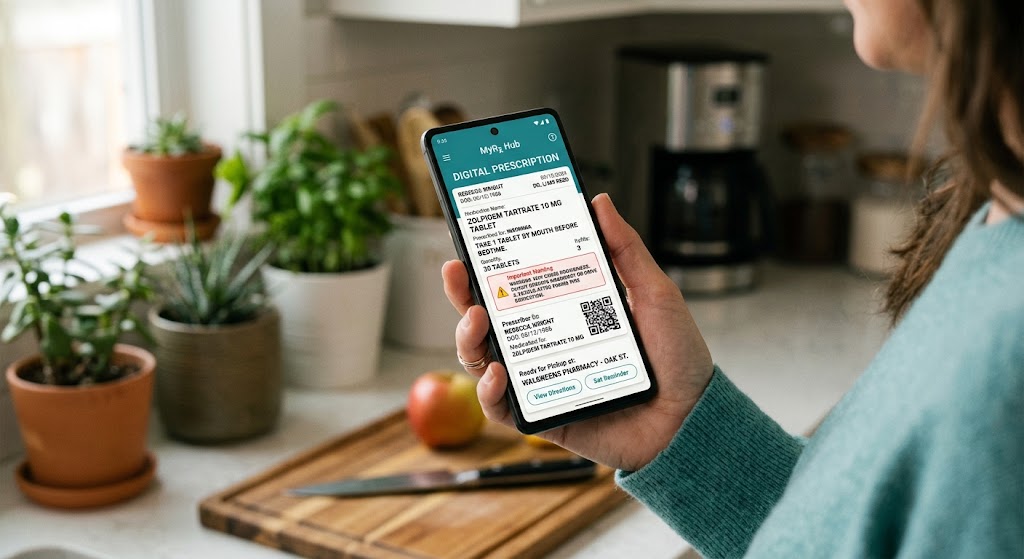
Not all pain relievers are created equal. Some have minimal impact on your central nervous system and are considered safe for most people to use while driving, provided they tolerate them well.
Paracetamol (Acetaminophen)
This is the gold standard for safe pain management regarding driving. Paracetamol works primarily in the brain to reduce pain signals but does not cause drowsiness or dizziness in standard doses.
- Verdict: ✅ Generally Safe.
- Exception: If you have an underlying liver condition or are taking very high doses, side effects may occur.
Ibuprofen and Other NSAIDs
Non-steroidal anti-inflammatory drugs (NSAIDs) like ibuprofen, aspirin, or naproxen reduce inflammation and pain. They rarely cause sedation.
- Verdict: ✅ Generally Safe.
- Warning: Watch out for side effects like stomach upset or dizziness, especially if taken on an empty stomach. If you feel dizzy, stop driving immediately.
Topical Creams/Gels
Anti-inflammatory gels (like Voltaren) or local anesthetics applied to the skin usually have minimal systemic absorption.
- Verdict: ✅ Safe.
Pro Tip: Always try the medication at home first, before needing to drive. See how your body reacts in a safe environment. If you need advice on managing chronic pain conditions like arthritis or back issues, our Women's and Men's Health Online Doctor guide offers specialized support.
3. High-Risk Medications That Impair Driving
These are the "red flag" medications. If your doctor has prescribed any of these, you must exercise extreme caution.
Opioids (Codeine, Tramadol, Oxycodone, Morphine)
Opioids act directly on the brain’s reward and pain centers. Their primary side effects include:
- Severe drowsiness ("nodding off").
- Blurred vision.
- Slowed breathing and reaction times.
- Euphoria or confusion.
- Verdict: ❌ Do NOT Drive. These should never be taken before operating a vehicle unless explicitly cleared by a specialist.
Combination Products (e.g., Co-codamol)
Many OTC painkillers contain paracetamol mixed with a low dose of codeine. Even a small amount of codeine can make some people groggy.
- Verdict: ⚠️ High Risk. Assume you cannot drive until you know how your body reacts.
Muscle Relaxants
Drugs like cyclobenzaprine or baclofen, often given for back spasms, are potent sedatives. They cause significant muscle relaxation and mental fog.
- Verdict: ❌ Avoid Driving.
Antidepressants & Anti-Anxiety Meds for Pain
Some nerve pain is treated with amitriptyline or gabapentin. These often cause dizziness and drowsiness, especially during the first few weeks of treatment.
- Verdict: ⚠️ Use Caution. Wait until you are stable on the dose before considering driving.
4. How Long Do Drugs Stay in Your System?
Just because the pain has gone away doesn't mean the drug is out of your system. The "half-life" varies by drug type:
MedicationTime to Peak EffectApprox. Time Until Safe to Drive*Paracetamol30-60 minsImmediate (if tolerated)Ibuprofen1-2 hours2-4 hours (watch for dizziness)Codeine (Low Dose)1-2 hours4-6 hours minimumStrong Opioids30 mins - 1 hour8+ hours or next dayMuscle Relaxants1-4 hours12+ hours*Note: Individual metabolism varies. Never rely solely on time; rely on how you feel.
If you took a pill late at night, your morning commute might still be affected. This is why planning ahead is crucial. If you are dealing with severe pain that requires daily medication, consider booking a Same-Day Online Doctor appointment to discuss non-sedating alternatives.
Did You Know? Many patients ask if they can get medical advice for free. While public triage exists, private care ensures speed. Check our guide: Can I Speak to a Dr Online Free? to understand your options better.

5. Legal Risks: Driving Under the Influence of Meds
You can absolutely be charged with "Driving Under the Influence" (DUI/DWI) due to prescription medication. Police forces across Europe and North America are increasingly testing for drugs alongside alcohol.
- UK Law: There are strict limits for controlled drugs like diamorphine and diazepam. Exceeding them is a criminal offense regardless of whether you feel impaired.
- Spain/Germany/Italy: Laws state you cannot drive if your ability to control the vehicle is impaired. If you crash and tests show painkillers in your blood, you lose insurance coverage and face prison.
- Insurance Voidance: If you are involved in an accident while on a medication that warns against driving, your insurance company will likely deny your claim, leaving you personally liable for damages.
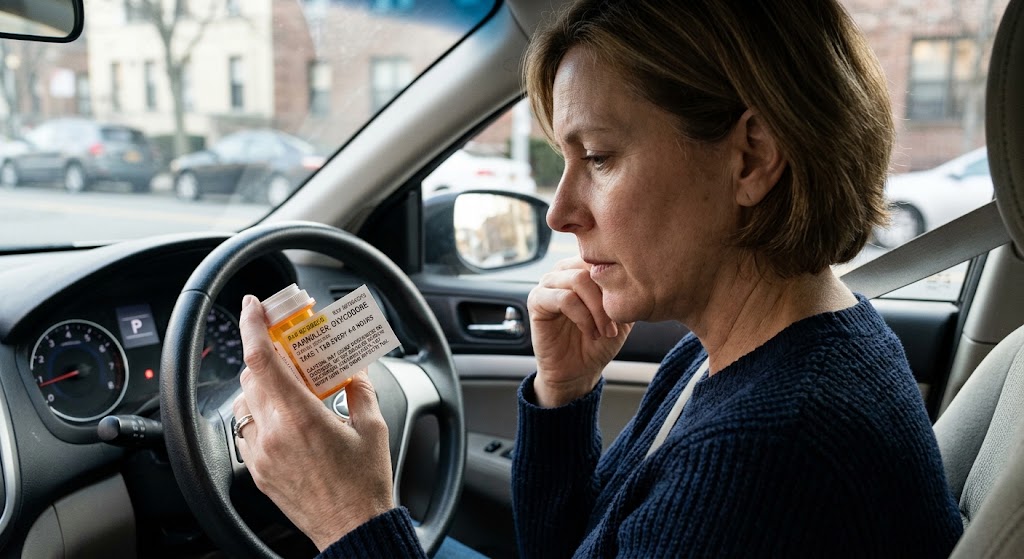
Always check the patient information leaflet inside your box. If it says "May cause drowsiness" or "Do not operate machinery," follow it strictly. Understanding the legal landscape is part of being a responsible driver, much like knowing when to seek an Online Sick Note Medical Certificate if you are too unwell to work or drive.
Related Topic: If you are recovering from surgery or an injury, you might also wonder about How Fast Does Facial Hair Grow if you shaved your face for medical procedures. Curiosity about biological recovery timelines is common! Read our guide: How Fast Does Facial Hair Grow?.
6. Symptoms That Mean You Should NOT Drive
Even with "safe" medications, individual reactions vary. Do not drive if you experience:
- Drowsiness: Feeling like you need to fight sleep.
- Dizziness/Lightheadedness: Trouble keeping your balance or head steady.
- Blurred Vision: Difficulty focusing on road signs or mirrors.
- Slurred Speech: Trouble articulating words clearly.
- Delayed Reactions: Feeling "foggy" or slow to think.
If you feel any of these, pull over safely, rest, and arrange alternative transport (taxi, rideshare, friend). If your dizziness persists or is accompanied by chest pain, seek help immediately via our Doctor 24/7 Telemedicine service.
7. Practical Tips for Managing Pain and Travel
You shouldn't have to choose between relief and mobility, but you must plan wisely.
- Timing is Key: Take your painkiller after you arrive at your destination, not before you leave.
- Ask for Alternatives: Talk to your doctor about "non-sedating" options. An online GP can review your history and suggest alternatives like topical gels or different dosages. Check our guide on Consulting a Doctor Online.
- Test Drive at Home: Before embarking on a trip, take your dose at home, sit in your parked car, and see if you feel alert after 30 minutes.
- Keep a Log: Note how long it takes for the "high" or drowsiness to pass. This helps predict future trips.
- Carry Proof: Keep your prescription bottle in the car so police know you are taking it legally (this doesn't exempt you from DUI laws but explains the presence of the drug).
For those needing urgent care or advice on managing chronic pain without losing mobility, our Urgent Care Center Near Me Spain guide can help you find local support. Additionally, if you are looking for general health guidance, explore our Videoconsulta Guide Spain for tips on navigating local medical systems.
8. When to Call an Online Doctor for Advice
If you are starting a new pain regimen and worry about work or travel, don't guess. A licensed professional can provide personalized advice instantly.
- Scenario: "I have a knee operation tomorrow. Can I drive myself home?"
- Action: Book a quick video consult via our Online GP Appointment. The doctor will tell you exactly what to expect and whether you need a driver.
- Scenario: "My current painkiller makes me too sleepy. Is there something else?"
- Action: Discuss switching medications with a Private Online Consultation. Many doctors can issue an e-prescription for a better-suited option within the hour.
- Scenario: "I need a prescription refill but can't get to a clinic."
- Action: Use our Prescription Renewal & E-Prescription service to get your meds sent to a pharmacy near you.
- Scenario: "I have a skin rash causing pain."
- Action: Sometimes pain comes from skin issues. If you have a rash or infection, an Online Dermatologist Skin Doctor can help diagnose and treat the root cause. In fact, if you ever needed to know if you can apply an antibiotic ointment without a prescription, our guide covers exactly when OTC creams are safe vs. when you need a prescription. Read: Antibiotic Ointment Without a Prescription.
Remember, your health team wants you mobile and safe, but they also want to avoid legal and physical risks. Open communication is key. You can browse our full Doctors Directory to find a specialist who fits your needs perfectly.
9. Frequently Asked Questions (FAQs)
Q: Can I drive if I took a painkiller 24 hours ago?
A: Most short-acting painkillers are clear from your system by 24 hours. However, if you take large doses regularly (chronic pain), accumulation can occur. Consult your doctor via Talk to a Doctor Online.
Q: Does caffeine cancel out the drowsiness of painkillers?
A: No. Caffeine might wake you up slightly, but it does not restore your reaction time or muscle coordination. You are still legally impaired.
Q: Are herbal pain supplements safer?
A: Not necessarily. Supplements like Kava, Valerian Root, or St. John's Wort can also cause drowsiness and interact with other meds. Always disclose all supplements to your doctor.
Q: What if I am in pain and my only transport is driving?
A: Take pain relief after arriving. If you cannot manage the pain while driving, ask a friend or family member to drive you. Alternatively, use a taxi service. Driving in severe pain is dangerous regardless of medication.
Q: Where can I check if my specific drug affects driving?
A: Read the "Warnings" section on the leaflet. In the UK, the MHRA website lists specific drug/driving bans. In Europe, the EMA provides similar data. For country-specific rules, see our guides on English Speaking Doctor Spain, Italy, or Germany.
Q: Can an online doctor change my prescription to allow driving?
A: Yes. A doctor can assess if you are fit to drive on your current meds or switch you to a non-sedating alternative. Visit our Doctors Directory to find a specialist today.
Q: What about skin infections causing pain?
A: Sometimes pain comes from skin issues. If you have a rash or infection, an Online Dermatologist Skin Doctor can help diagnose and treat the root cause.
Q: I'm a parent and need to drive with a sick child.
A: Child safety is paramount. If you are medicated, arrange for another adult to drive. For pediatric advice, check our Online Pediatrician Child Doctor guide.
10. Conclusion: Prioritize Safety Over Speed
Is it safe to drive after taking painkillers? For many common OTC drugs like paracetamol or ibuprofen, yes—but only if you feel completely alert. For stronger prescriptions containing codeine, opioids, or muscle relaxants, the answer is almost always no.
The risk isn't just legal; it's life-or-death. A split-second delay caused by a drowsy medication can turn a minor bump into a tragedy. Protect yourself, your passengers, and others on the road by checking your meds, testing your tolerance at home, and arranging alternative transport when necessary.
If you need medical advice tailored to your situation, book a Same-Day Online Doctor appointment today. We can review your medication list, adjust your treatment plan, and ensure you stay safe while managing your pain effectively. Don't forget to check our Offers and Packages for affordable care options.
Stay informed, stay safe, and drive responsibly.
Reviewed by: DoctorCare Medical Team
Last Updated: October 2026
DoctorCareOnline provides online consultations for non-emergency healthcare needs. This article is for informational purposes only and does not constitute medical advice, diagnosis, or treatment. Always consult a qualified healthcare professional regarding any medical condition. For emergencies, call 112 or use local emergency services immediately.